
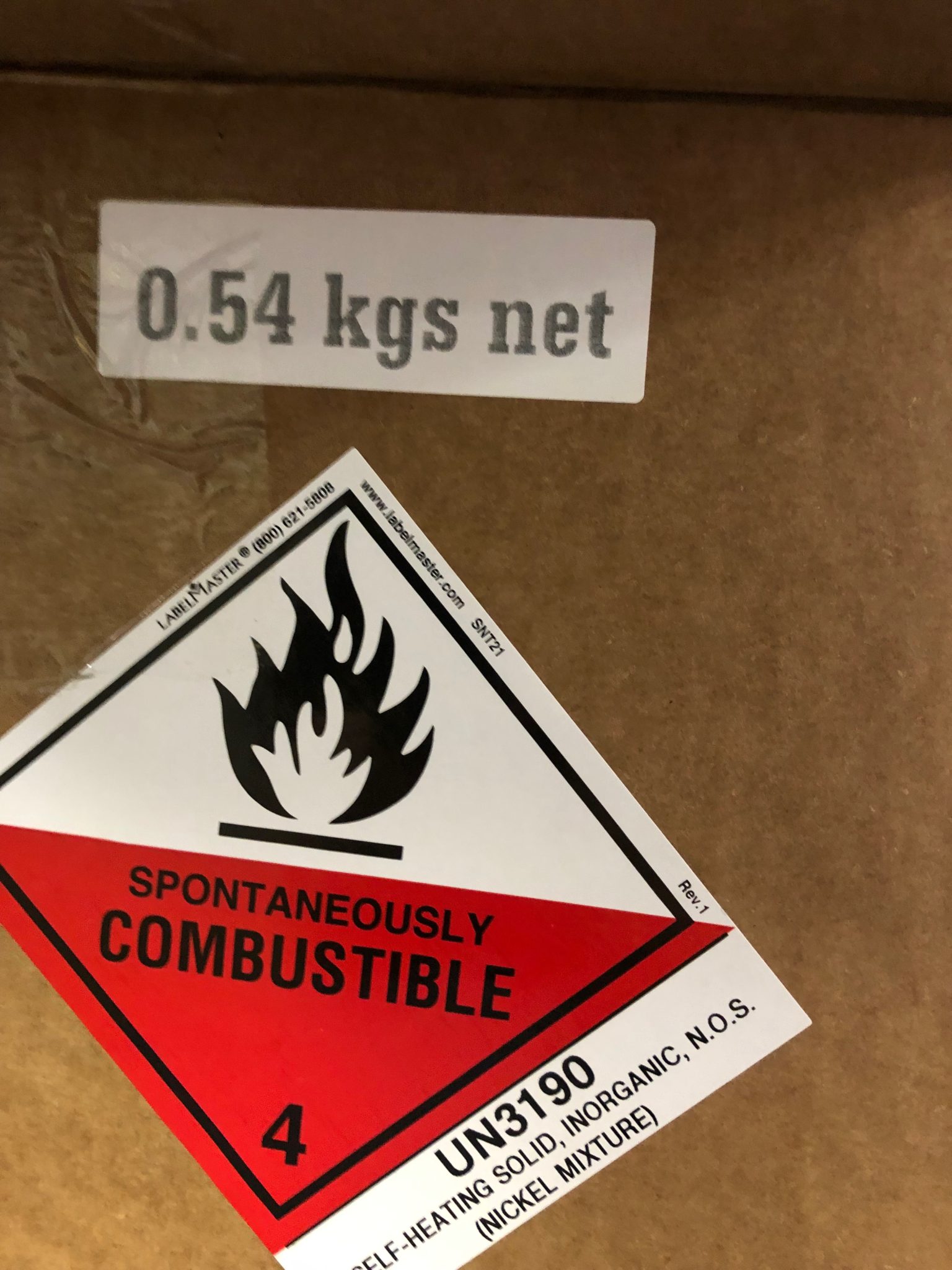
The requirements surrounding hazardous waste labeling and shipping in the U.S. are governed by a complicated and extensive set of rules and regulations. Hazardous waste label requirements are just one of many important steps in safely handling and shipping hazardous waste.
To move hazardous waste, generators must comply not only with Environmental Protection Agency (EPA) regulations but also with Department of Transportation (DOT) requirements for shipping, as well as any state and local agency requirements for labeling and shipping. The DOT and the EPA work in tandem under a memorandum of understanding between them.
Why Should I Care About Proper Hazardous Waste Labeling?
Hazardous waste, simply defined, is that waste with properties that make it dangerous or capable of having a harmful effect on human health, animals, or the environment. Hazardous waste is generated from many sources, ranging from industrial manufacturing processes, laboratories, and hospitals to agricultural products, even batteries. It comes in many forms, including liquids, solids, gases, and sludge.
With so many different sources and forms, abiding by hazardous waste labeling regulations is important to both environmental protection and the safety of humans and animals.
Failure to meet regulations can result in penalties, including large fines or even imprisonment.
Who is Responsible for Proper Hazardous Waste Labeling?
Hazardous waste generators are those companies, manufacturers, institutions, labs, hospitals, and other entities that, by site, actions, and processes, cause, or bringing about a waste that is listed in the hazardous waste regulations by the EPA, and determined to be a characteristically hazardous or otherwise identifiable hazardous waste.
Generators are fully responsible for the proper labeling and disposal of the resulting hazardous waste.
EPA vs DOT Regulations
In general, the EPA regulates pre-transport requirements (how waste is labeled before it is shipped or transported), while the DOT regulates requirements for the waste once it is in transport. Both the DOT and EPA offer specific regulatory guidance for hazardous waste generators, and each references the other to ensure that implementation of the requirements is uniform.
Needless to say, if you generate and package waste, you will need to transport it at some point. Appropriate labeling and marking of all hazardous waste containers according to both EPA and DOT requirements are necessary to properly manage the waste from cradle to grave.
EPA Requirements
The EPA primarily determines the types or classes of hazardous waste to be marked, and how waste containers should be labeled to communicate this. Technically, the EPA only requires that a container of hazardous waste include the words “hazardous waste” in its description, along with the date the accumulation started. This is required to enhance safety and environmental protection. Labels are not required to include the identity of the container’s contents, only that the contents are hazardous.
DOT Requirements
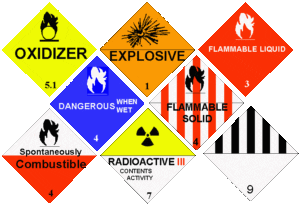
The DOT requirements for hazardous waste labeling during transport or shipment are much more complex than EPA requirements, but are overseen by EPA guidelines. The requirements of a shipper to be DOT compliant include:
- Determination
- Class/division identification
- Packaging
- Marking
- Training/certification
- Emergency response information
- Blocking and bracing
- Incident reporting
- And more…
See this FMCSA page on federal hazmat compliance for more details on DOT requirements.
Dealing with Hazardous Shipping Requirements
Federal regulations are extremely complicated and difficult to follow. Add state and local requirements, and the difficulty of moving hazardous waste increases further. The following are the best options for dealing with hazardous waste labeling and shipping:
HazMat Certification
Getting certified with the OSHA, DOT, IATA, or EPA for hazardous waste training is one way to ensure proper compliance. This route takes time and money and must be renewed every 2-3 years.
Consult a Professional
Consulting a hazardous waste professional is often the fastest and most cost-effective route for generators. This ensures that regulations are met, avoiding costly fines, wasted time due to packages being denied for improper labeling, and frustration.
If you are having trouble with hazmat label requirements, let MLI Environmental help you with hazardous materials shipping. We consult with you and provide all the necessary labeling and packaging you need to remain compliant!

Last updated on April 3rd, 2026 at 06:51 pm